Prevent and Conquer Pickleball Foot Pain: A Step‑by‑Step Guide for Players
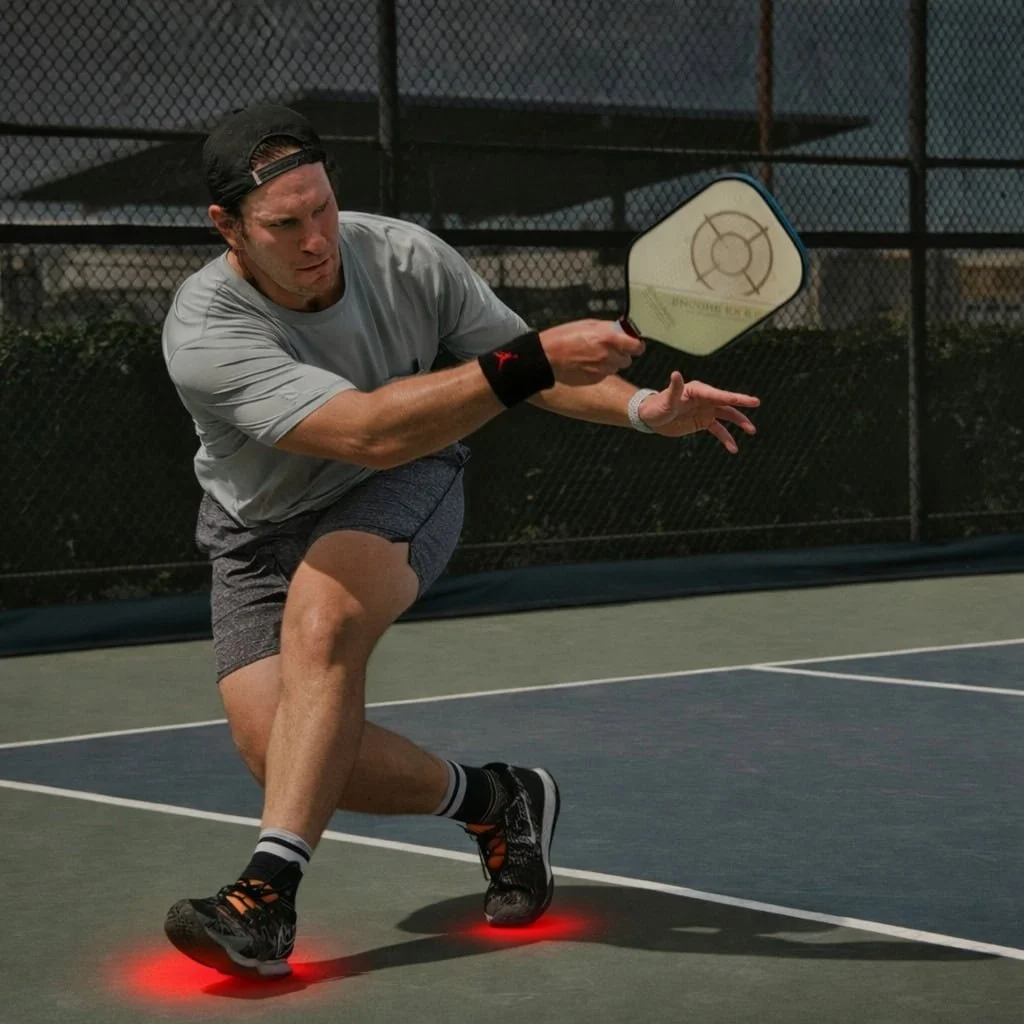
Pickleball’s explosive growth brings fitness and community — and more foot problems for players who pivot, lunge, and sprint on hard courts. If you have heel pain (plantar fasciitis), ball-of-foot forefoot pain (metatarsalgia), or pain beneath the big toe joint (sesamoiditis), this guide explains practical prevention, evidence based‑ treatments and when to see a foot specialist (chiropodist). Always consult a qualified healthcare professional for persistent or worsening symptoms.
Why pickleball increases foot problems
Pickleball combines quick starts, sudden stops, lateral shuffles and repetitive forefoot (ball-of-foot) loading — movements that stress the plantar fascia, metatarsal heads and sesamoid complex.
According to a January 2025 survey by Pickleball Canada, participation in Canada has surged to an estimated 1.54 million monthly players, with Ontario accounting for about 600K players. Local Niagara clubs report rapidly growing membership and demand for court time, which inevitably increases exposure to potential injury.
Recent medical studies document a clear rise in lower extremity injuries as participation climbs, with foot and ankle complaints showing a multi-fold rise in presentations to clinics and emergency departments.
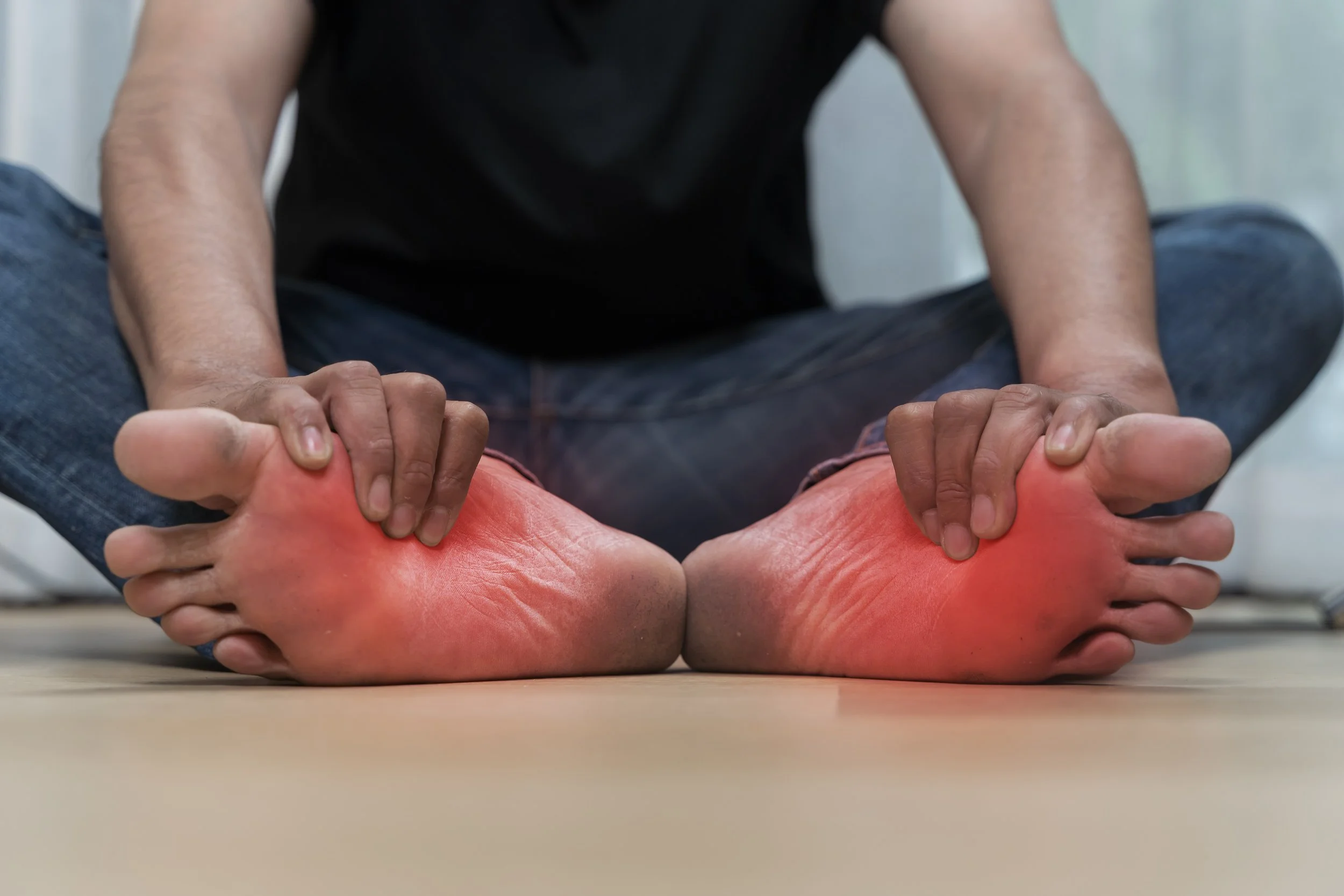
Real world‑ perspective from Michael Mesic, Doctor of Podiatric Medicine (Chiropodist)
As a foot specialist who grew up playing tennis and racquetball, I’ve seen how quick lateral movements and repetitive forefoot loading create the same injury patterns now common in pickleball. Over the past seasons I’ve treated scores of players from the Niagara region and beyond for plantar fasciitis, metatarsalgia and sesamoiditis — and the most successful recoveries combine education, footwear changes, progressive rehab, and targeted interventions such as custom orthotics or shockwave when indicated.
“In Ontario, most insurers accept custom orthotic prescriptions only from chiropodists, podiatrists or MDs.”
The following are practical steps pickleball enthusiasts can implement immediately to prevent injury and provide self-care before seeking help from a foot specialist:
-
Dynamic warm‑up — brisk walk or light jog 3–5 minutes to raise tissue temperature.
Calf and plantar fascia stretch — standing calf stretch (knee straight and bent) and towel stretch for the arch; hold 30 seconds, repeat 3 times each side.
Toe and intrinsic foot activation — short foot exercises (arch lifts) and toe curls to prime small stabilizing muscles.
Why it helps: stretching and intrinsic muscle activation reduce tensile load on the plantar fascia and forefoot structures, lowering acute strain during play.
-
Pickleball‑specific or court shoes with lateral support, firm heel counters, and durable non‑marking soles reduce sliding and torsional stress.
Replace shoes regularly — every 300–500 hours of play or when midsole cushioning compresses.
Over‑the‑counter insoles can help short‑term, but custom orthotics are indicated when biomechanical factors (high arch, flat feet, forefoot overload, or persistent foot & ankle pain) persist.
Evidence: randomized trials and systematic reviews show orthoses can reduce plantar heel pain and improve function compared with no orthoses, and sport/condition tailored custom orthotics outperform generic devices.
-
Limit court time after pain onset; avoid hard‑court sprints and long sessions until symptoms settle.
Progressive strengthening — calf eccentric loading, intrinsic foot strengthening, and hip/ankle stability drills to improve shock absorption.
Return‑to‑play protocol — pain‑free walking → light drills → controlled rallies → full play over 2–6 weeks depending on severity.
Rehab reduces recurrence by correcting movement patterns that concentrate force on the heel or forefoot.
-
Shockwave therapy (ESWT) has growing evidence for chronic heel pain (plantar fasciopathy) and can be considered when conservative care (stretching, inserts, rehab) fails. Recent trials and pilot studies report meaningful pain reduction and functional gains with shockwave protocols. Learn more
Ball-of-foot padding can relieve metatarsalgia by redistributing pressure away from painful metatarsal heads.
Sesamoiditis care often begins with off-loading rocker shoes, orthotic modification and activity modification; persistent cases benefit from foot specialist assessment. Learn more
Randomized trials and systematic reviews support custom orthotics and shockwave therapy as effective components of care for chronic plantar heel pain when combined with rehab and proper footwear .
-
Consider a chiropodist or podiatrist if pain persists beyond a couple of weeks despite home care, if pain limits walking or play, if you have flawed gait or biomechanical risk factors (flat feet with pronation, high arch, limb length difference).
Custom orthotics (if made properly) are indicated when tailored support, pressure redistribution, or correction of abnormal mechanics is required; they are often combined with rehab and, when appropriate, shockwave therapy. Clinical trials support orthoses as part of a multimodal approach for chronic plantar heel pain and ball-of-foot metatarsalgia.
“Superior custom orthotics are prescribed by chiropodists and podiatrists, made from non‑weight‑bearing 3D scans or plaster molds, and fabricated at accredited labs to capture an ideal functional foot position.”
Practical checklist before your next game
✔️ Warm up 10 minutes and perform calf/arch stretches.
✔️ Wear court shoes with lateral support and fresh midsoles. Replace at least yearly and more frequently depending on court time.
✔️ Use a temporary over-the-counter insole if you feel early heel, arch or ball-of-foot soreness.
✔️ Limit play to pain‑free durations and follow a gradual return.
✔️ Book a chiropodist foot specialist assessment if pain persists or recurs frequently.
Final takeaways
Prevention and early action keep you on court: warm up, wear proper shoes, manage load, and consult a chiropodist if pain persists. Combining rehab, footwear changes, and targeted treatments such as custom orthotics or shockwave therapy gives many players a clear path back to pain-free play.
About the author
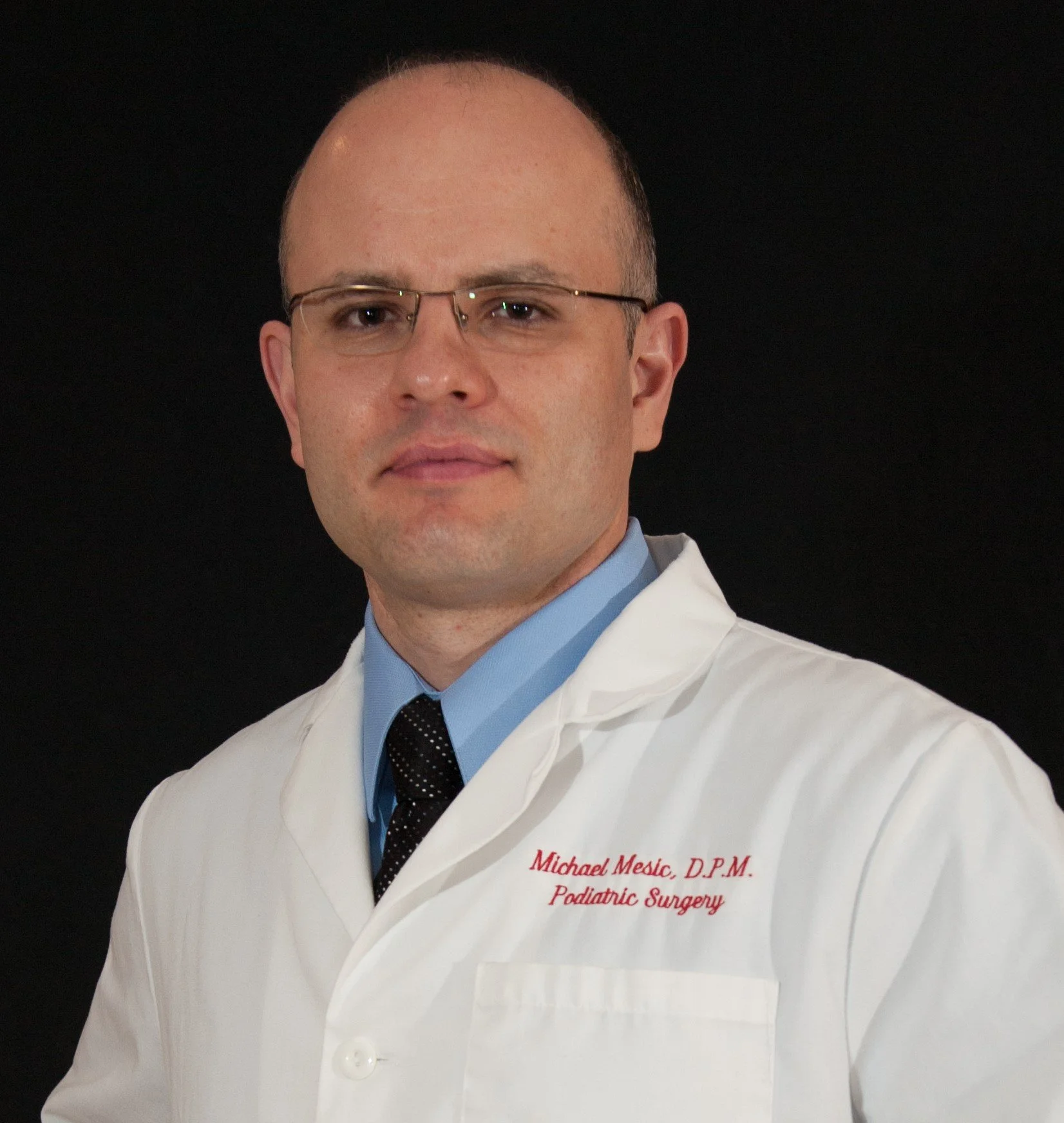
Michael Mesic, Doctor of Podiatric Medicine (Chiropodist) — Canadian Foot Clinic & Orthotic Centre in St. Catharines, Ontario, Canada
Michael has decades of racquet sport experience (tennis and racquetball) and a clinical focus on foot biomechanics and orthotic therapy with training at some of the leading medical institutions across North America including The Cleveland Clinic. With 20+ years clinical experience, he has treated scores of pickleball players across the Niagara region with evidence-based care that helps players return to court quickly and safely.
