

Diabetic Foot Care St. Catharines — Trusted Registered Chiropodist
Diabetic Foot Care St. Catharines — Registered chiropodist: exams, neuropathy & vascular testing, wound care and custom orthotics. Book assessment.
Comprehensive diabetic foot care from a trusted Ontario chiropodist — early screening, foot exams, regular diabetic foot care (medical pedicure) and targeted ulcer treatment reduce amputation risk and keep you mobile. Book an annual diabetic foot exam or twice‑yearly visits for high‑risk patients to protect your feet.
Why diabetic footcare matters
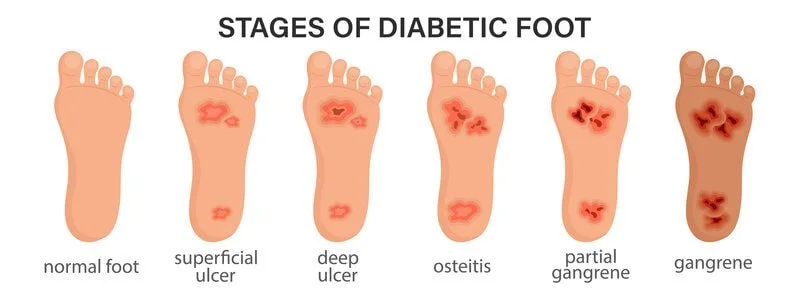
About 1.5 million Ontarians live with diabetes, and diabetic foot problems are a major driver of hospital admissions and disability in the province. Diabetes‑related nerve damage (neuropathy) and poor circulation increase the risk of infections, non‑healing ulcers, deformities, and Charcot foot, which can lead to amputation if untreated. Regular, specialist foot care is proven to reduce severe outcomes and preserve mobility.
What a chiropodist does for you
Annual foot screening for all people with diabetes, with more frequent (twice‑yearly) visits for those at higher risk, following Canadian guidelines.
Neuropathy and circulation testing to detect loss of feeling or poor blood flow early.
Nail care, corn/callus management, debridement, and off‑loading to prevent and treat ulcers.
Diabetic custom orthotics & orthopedic footwear to reduce stress on your feet and keep you moving.
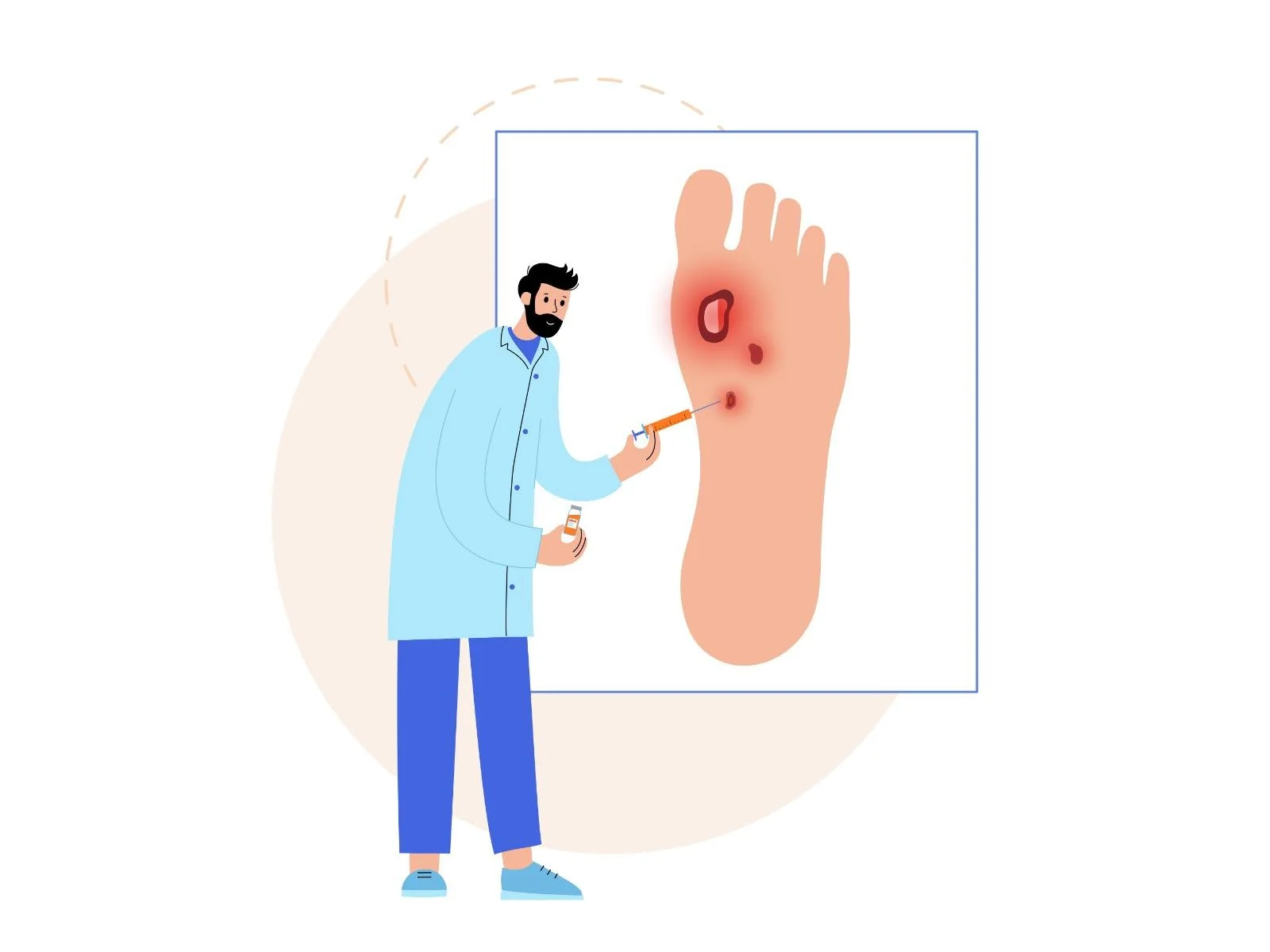
Wound care and infection prevention, including debridement, dressings and pressure relief strategies to speed healing and reduce complications.
Collaborative care with your diabetic medical team.
Key facts patients should know
Diabetic foot complications account for a substantial share of hospital admissions and are costly to the health system.
Seeing a foot specialist at least twice a year can lower amputation risk by over 30% for high‑risk patients, underscoring the value of regular chiropody care.
Canadian guidelines recommend at least one annual foot exam by a chiropodist or podiatrist for people with diabetes.
Practical prevention tips
Inspect your feet daily for cuts, redness, swelling, or nail changes; don’t walk barefoot.
Keep blood glucose controlled and report any new wounds, swelling, or colour changes immediately.
Avoid “bathroom surgery” — never self‑trim calluses or use medicated pads; see your chiropodist instead.
Shake out shoes and check socks before dressing to avoid hidden objects or pressure points.
Risks and what to expect
Irritated corns, calluses & blisters can progress quickly into ulcers; delayed care increases infection and amputation risk. Even with specialist care, healing depends on blood glucose control, circulation, and timely off‑loading; some complex cases require multidisciplinary management or vascular intervention. Early detection and consistent follow‑up are the most effective defenses.