

Hammertoe Assessment & Treatment — St. Catharines — Experienced Chiropodist
Hammertoe assessment and non‑surgical care by a registered chiropodist in St. Catharines. Custom orthotics, footwear advice and pain relief. Book now.
Get a professional in‑clinic assessment for hammertoes from an Ontario registered chiropodist — early treatment, custom orthotics, footwear advice, and safe non‑surgical care can slow progression and relieve pain.
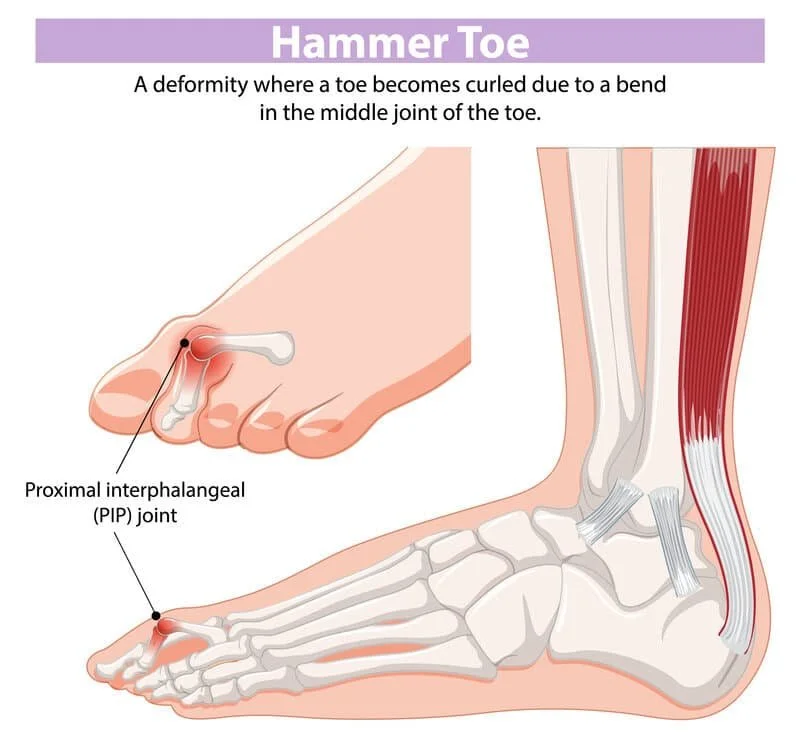
What is a hammertoe?
A hammertoe is a contracture (bending) of one or more toe joints that rubs against shoes and causes pain, corns, calluses, and progressive deformity. Early attention matters because hammertoes usually worsen over time and may become rigid or develop open sores if untreated.
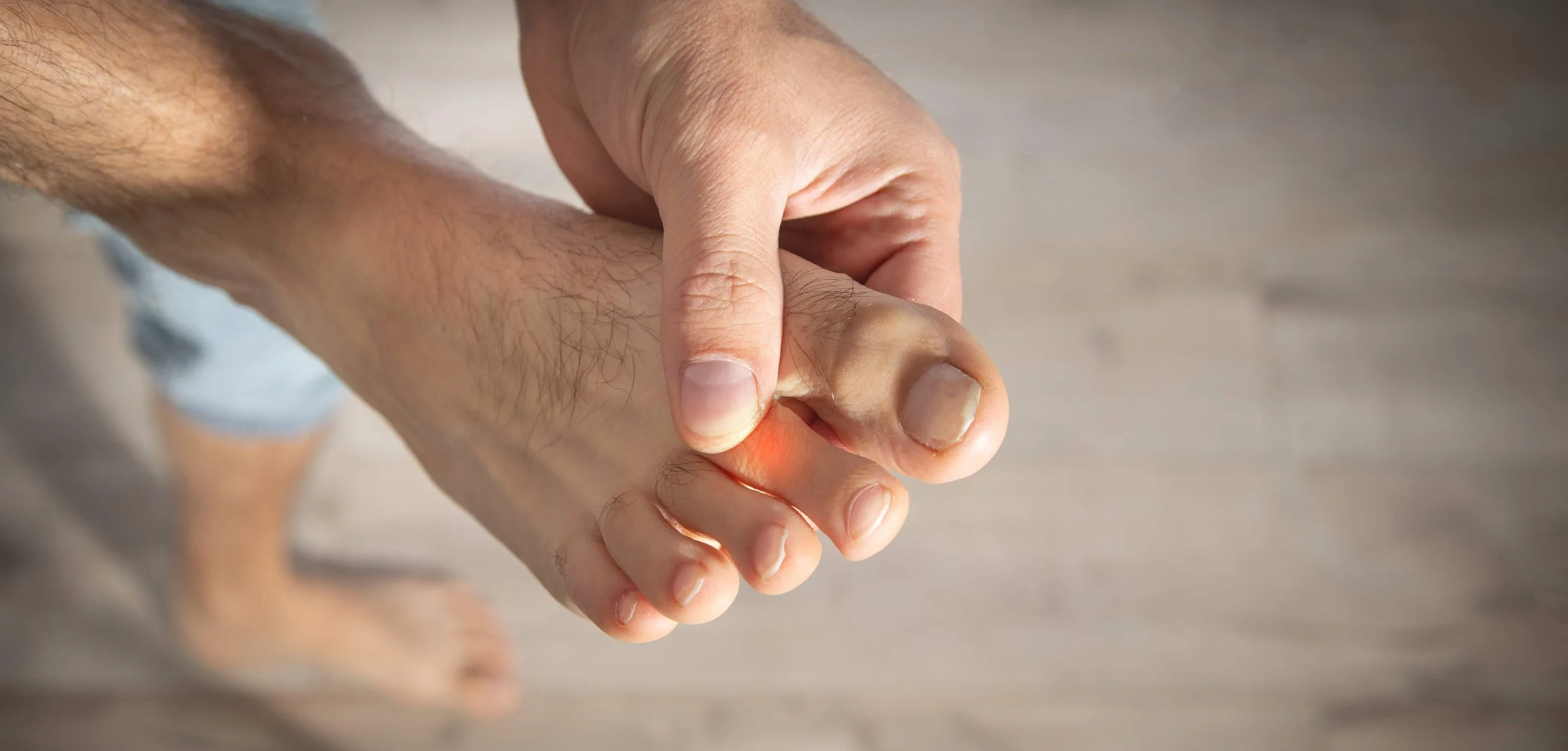
Common symptoms include pain or irritation when wearing shoes, corns on the top or sides of the toe, calluses on the ball of the foot, toe dislocation or overlap, and increasing stiffness — symptoms that often begin mildly and progress without intervention. If you notice rubbing, persistent pain, or skin breakdown, a foot specialist should assess the toe promptly.
What causes hammertoes?
Muscle and tendon imbalances, structural foot changes, inherited foot shape, and ill‑fitting footwear (tight, narrow, or high‑heeled shoes) are frequent contributors. A toe that’s forced into a cramped position can gradually bend and stay contracted; in early stages the deformity may be flexible and responsive to conservative care.
Non‑surgical care we provide in‑clinic
Professional assessment and safe trimming of corns/calluses — never self‑cut or use medicated pads at home.
Padding, splinting, and strapping to protect irritated skin and realign the toe.
Footwear advice and stylish, roomy shoes with a deep toe box to remove pressure.
Custom orthotics to correct biomechanics and reduce tendon imbalance.
Injection therapy and NSAIDs for short‑term pain and inflammation control when appropriate.
Rehabilitation including stretching and strengthening to improve toe function. These conservative measures often control symptoms and may slow progression when started early.
When is surgery needed?
Surgery is considered when pain or deformity persists despite conservative care or when toes become rigid. Common procedures include arthroplasty (removing a small bone segment) or fusion of toe joints for rigid deformities; tendon balancing or lengthening may also be performed by an orthopedic surgeon. Recovery varies by procedure; some patients can walk immediately in a surgical shoe while bones heal.
Important points:
Early assessment by a chiropodist improves outcomes.
Do not self‑treat corns or calluses — this risks infection and worsening deformity.
Not all hammertoes require surgery; many respond well to orthotics, footwear changes, and targeted therapy.
Book an in‑clinic assessment with our Ontario chiropodist to assess your toe, review conservative options, and design a personalized plan including custom orthotics and footwear.