

Posterior Tibial Tendon Dysfunction (adult‑acquired flatfoot) Treatment St. Catharines — Experienced Chiropodist
PTTD Adult‑Acquired Flatfoot Treatment St. Catharines — Registered Chiropodist. Gait exam, custom orthotics, bracing and rehab for pain relief. Book assessment.
Early in‑clinic assessment for Posterior Tibial Tendon Dysfunction (adult‑acquired flatfoot) protects your arch and mobility — book an Ontario registered chiropodist assessment to start conservative care, custom orthotics, bracing, and a tailored rehab plan.
Key considerations and decision points
Is pain localized along the inside of the ankle and arch, with recent swelling or flattening of the foot?
Has activity, weight, or footwear changed recently?
If symptoms are early and flexible, conservative care (orthotics, bracing, rehab) is usually effective; advanced, rigid deformity may require specialist referral.
What is PTTD (adult‑acquired flatfoot)
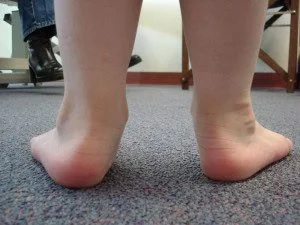
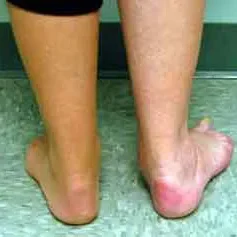
Posterior tibial tendon dysfunction (PTTD) occurs when the posterior tibial tendon becomes inflamed, overstretched, or torn, reducing its ability to support the arch and often producing a progressive flattening of the foot. Early stages cause pain and swelling along the tendon; later stages show arch collapse, outward toe drift, and possible arthritis.
Symptoms we assess
Inner‑ankle/arch pain, warmth, or swelling in early PTTD.
Progressive arch flattening, inward ankle roll, and shifting pain to the outer foot as the condition advances.
A focused in‑clinic assessment evaluates gait, tendon tenderness, arch height, and footwear to guide treatment and next steps.
Common causes and risk factors
PTTD most often follows overuse (running, hiking, stair climbing), repetitive strain, or tendon injury; risk increases with age, obesity, and certain foot mechanics such as over‑pronation.
Conservative treatments we provide
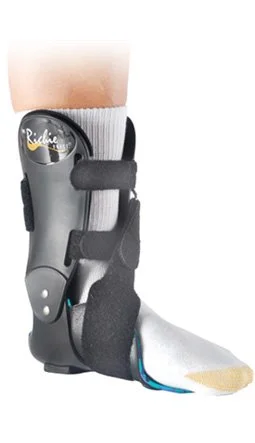
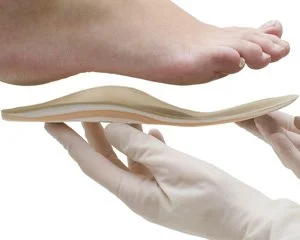
Custom orthotics and ankle‑stirrup bracing to support the arch, correct alignment, and reduce tendon load — orthotics are a cornerstone of durable symptom control.
Immobilization (short‑leg boot) when needed to allow healing.
Physical therapy with progressive strengthening, stretching, gait retraining, and modalities such as ultrasound/phonophoresis to reduce inflammation.
Activity modification, footwear advice, and NSAIDs for symptom control. Early intervention often arrests or slows progression and can reduce the likelihood of requiring surgical intervention.
When surgery or referral is considered
Surgery is reserved for cases that fail conservative care or show advanced deformity/arthritis; procedures may repair the tendon, realign bones, or both.
Risks, limitations, and realistic outcomes
PTTD is progressive if untreated; early assessment improves outcomes and reduces the chance of permanent deformity and arthritis.
Conservative care aims to reduce pain and slow progression but may not restore lost tendon tissue; some advanced cases ultimately need surgery.
Book an assessment
Book an in‑clinic assessment with our trusted Ontario registered chiropodist to assess your tendon, receive a custom orthotic and brace plan, and start a targeted rehab program.